Applications guide the specification

Romo fabrics for interiors that work differently

Occupancy, cleaning practice, light exposure, installation method and regulatory context determine which textile questions matter. Our application guidance keeps those conditions visible while a team compares color, surface and construction.

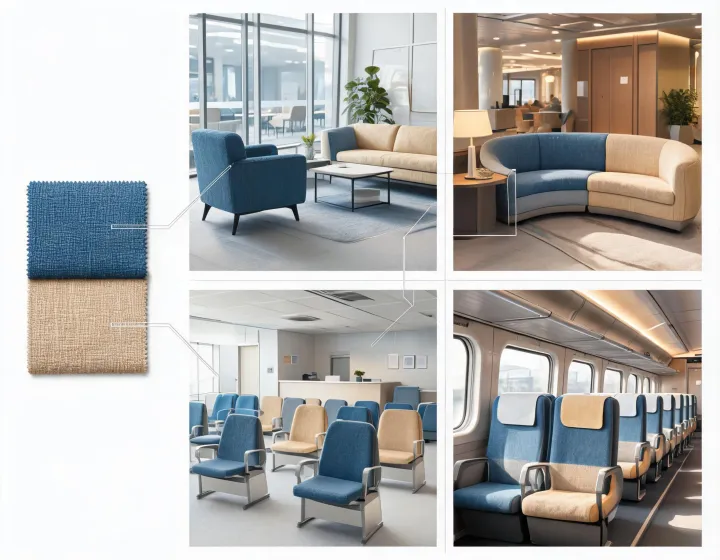
Interior textile applications material board
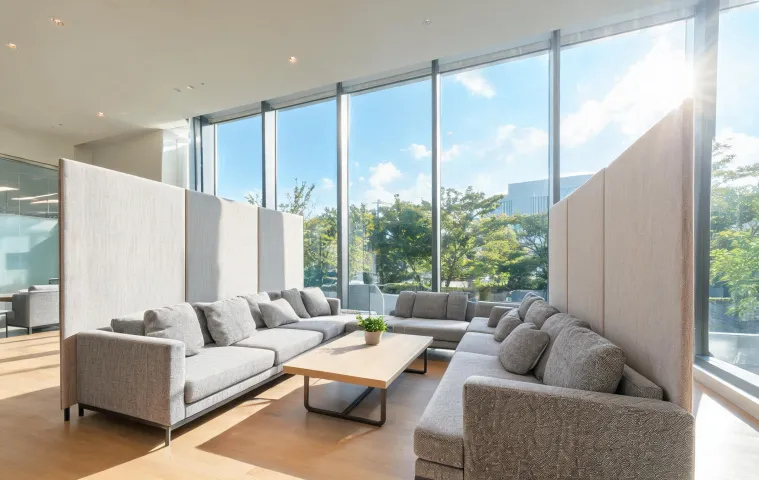
Workplace seating upholstery

Workplace & Education

Shared seating and acoustic surfaces face repeated contact, varied clothing abrasion and routine maintenance. A review considers pile or weave stability, pilling resistance, colorfastness, cleaning compatibility and the way wrapped edges affect appearance.

Useful brief fields
Seat type, daily occupancy, cleaning route, acoustic-panel construction and color family.
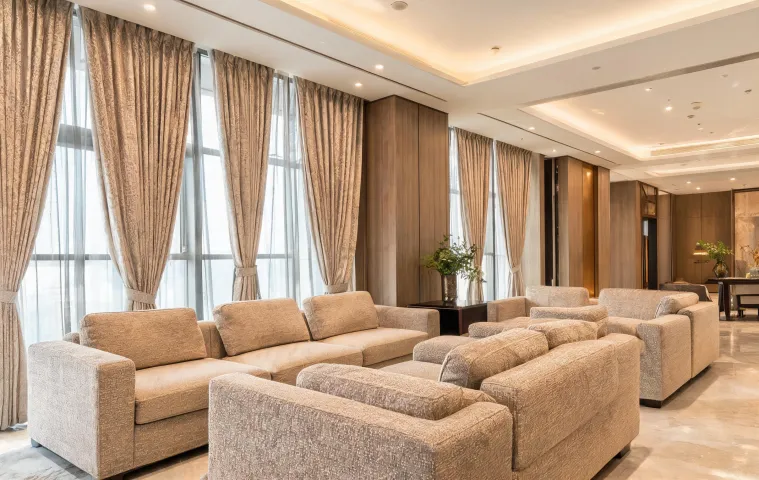
Hospitality lounge textile

Hospitality

Guest rooms, lounges and dining areas combine visual continuity with different wear and care demands. Drape, usable width, seam behavior, stain-management route and abrasion evidence need to be assigned to the specific application rather than one general collection statement.

Useful brief fields
Room zone, upholstery or drapery use, maintenance protocol, repeat scale and installation schedule.
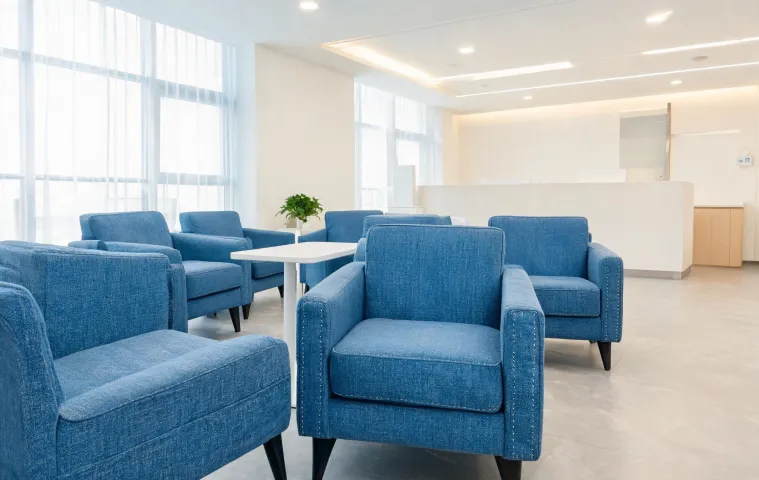
Healthcare seating textile

Healthcare

Waiting, consultation and staff spaces may use different cleaning chemistry and contact frequencies. Fiber content, finish, backing and seams must be checked against the facility protocol; a cleanability statement without the named agent and procedure is not sufficient.

Useful brief fields
Care setting, approved cleaning agents, contact frequency, backing requirement and replacement access.
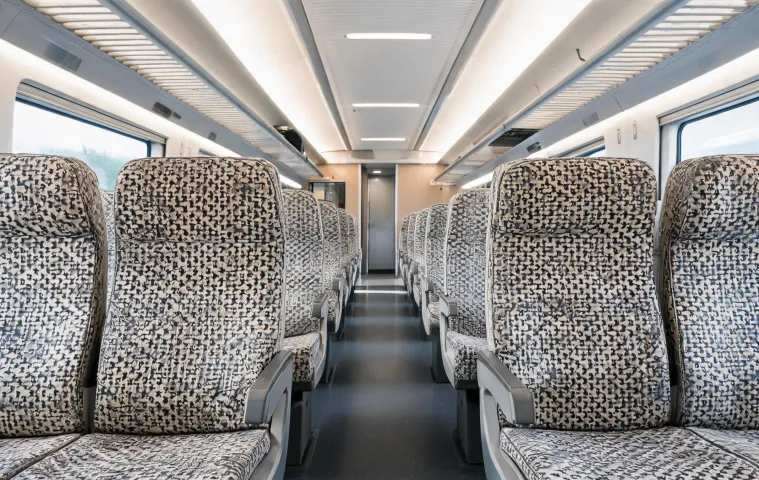
Passenger rail upholstery

Passenger Transport

Seat construction, vehicle standard, repeat placement and maintenance conditions shape the textile package. Any flame or smoke evidence must identify the method, specimen assembly and supplied construction; results are not transferred automatically across backings or finishes.

Useful brief fields
Vehicle class, seat build-up, applicable standard, colorway, repeat alignment and expected service cycle.

Selection checklist

Resolve the trade-offs before ranking samples

Material choices are rarely a contest between a “good” and “bad” fiber. They are a balance among tactile goals, maintenance, consistency, evidence and budget.

Natural handfeel or synthetic stability?

Wool and other natural fibers can support tactile and moisture-management goals, while synthetic fibers may offer more controlled dimensional behavior. Natural variability, care requirements, strength and the project narrative all belong in the comparison.

Appearance or repeated-use evidence?

Martindale cycles help compare abrasion under a named method, but they do not alone predict seam wear, pilling, soiling or cleaning response. Pair the result with the actual upholstery assembly and maintenance plan.

Early sample or bulk reference?

A memo or lab dip can guide direction, while the production dye lot confirms the supplied color and construction. Approvals should name which stage they cover and what change requires a new review.

Declared compliance or applicable scope?

OEKO-TEX, GRS, ISO systems and REACH statements describe different subjects. Request the issuer, entity, product scope and validity rather than treating every document as the same kind of product certification.

Important limits: Dark and light colorways can return different test behavior; adding a backing can change stiffness and flame response; aggressive cleaning chemistry can alter finish and shade. Confirm each boundary on the selected construction.

Describe the room, seat or panel first

An application-led inquiry gives the advisor enough context to separate visual preferences from performance and documentation needs.

Submitting this form confirms you have read our Privacy Policy.